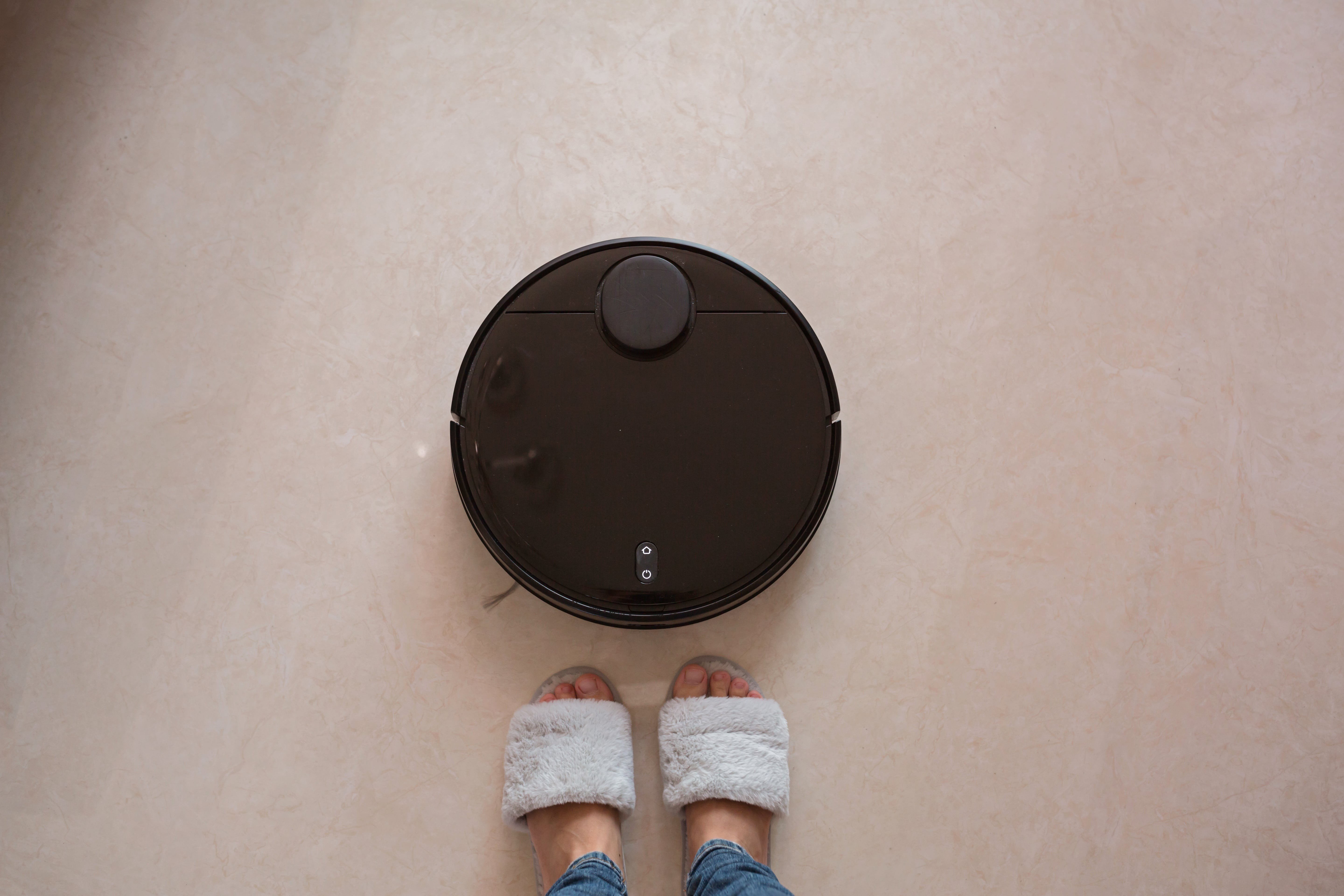
5 Laws Anyone Working In Robotic Vacuum Should Know
The Rise of Robotic Vacuums: A Comprehensive Guide
In the busy world of technological developments, the combination of robotics into everyday household chores has actually reinvented the way people maintain their homes. Among the most popular and useful innovations is the robotic vacuum, a device created to autonomously tidy floors, lowering the requirement for manual labor. This short article digs into the evolution, performance, advantages, and future of robotic vacuums, providing a detailed guide for those thinking about adding one to their family.
The Evolution of Robotic Vacuums
The concept of a robotic vacuum dates back to the late 20th century, but it wasn't till the early 2000s that these gadgets became commercially feasible. The very first commonly recognized robotic vacuum, the iRobot Roomba, was introduced in 2002. Ever since, the technology has actually advanced considerably, with modern-day designs featuring sophisticated navigation systems, effective suction, and smart home integration.
Key Milestones:
- 2002: Introduction of the iRobot Roomba – The very first commercially successful robotic vacuum.
- 2005: Advanced Navigation – Integration of infrared sensors and cliff detection to prevent falls.
- 2010: Wi-Fi Connectivity – Allowing remote control and scheduling through mobile phone apps.
- 2015: Mapping and Zoning – Advanced mapping technology for more efficient cleaning.
- 2020: AI and Machine Learning – Enhanced navigation and cleaning patterns through artificial intelligence.
How Robotic Vacuums Work
Robotic vacuums operate utilizing a combination of sensors, algorithms, and motors. Here's a breakdown of the key components and procedures:
- Sensors: These include infrared, ultrasonic, and optical sensors that help the vacuum find barriers, edges, and dirt. Some models likewise use electronic cameras for visual mapping.
- Mapping and Navigation: Advanced designs utilize SLAM (Simultaneous Localization and Mapping) innovation to produce a map of the cleaning area and browse efficiently.
- Suction and Brushes: Robotic vacuums use effective motors to develop suction and numerous brushes to get dirt and particles. Some designs include side brushes to reach into corners.
- Battery and Charging: Most robotic vacuums are geared up with rechargeable lithium-ion batteries. They return to their charging dock when the battery is low.
- Smart Home Integration: Many models can be managed via mobile phone apps, voice assistants like Amazon Alexa or Google Assistant, and can be integrated into smart home systems.
Advantages of Robotic Vacuums
- Convenience: One of the most substantial advantages is the convenience of hands-free cleaning. Users can schedule cleanings or start them from another location, enabling a clean home without the effort.
- Performance: Modern robotic vacuums are designed to tidy effectively, covering large locations and browsing around challenges with ease.
- Long-Term Savings: While the initial cost might be greater, the long-term cost savings on manual cleaning tools and the time saved can be significant.
- Allergy Relief: Regular cleaning can assist minimize allergens in the home, making it a helpful investment for allergy sufferers.
- Eco-Friendly: Many models are energy-efficient and utilize recyclable products, making them a more sustainable cleaning alternative.
Popular Models and Features
iRobot Roomba i7+
- Features: Advanced mapping, automatic dirt disposal, Wi-Fi connectivity, and voice control.
- Rate Range: ₤ 600 – ₤ 1,000
Dyson 360 Heurist
- Functions: 360-degree electronic camera for mapping, effective suction, and HEPA filtering.
- Rate Range: ₤ 600 – ₤ 800
Ecovacs Deebot Ozmo T8
- Features: TrueMapping navigation, mopping abilities, and voice control.
- Price Range: ₤ 500 – ₤ 700
Neato D7
- Functions: Laser navigation, large cleaning location, and app control.
- Price Range: ₤ 500 – ₤ 700
Future Trends in Robotic Vacuums
The future of robotic vacuums is appealing, with ongoing improvements in innovation. Some patterns to look for include:
- Enhanced AI and Machine Learning: More innovative algorithms will enable better navigation, barrier avoidance, and cleaning performance.
- Integration with Smart Home Ecosystems: Increased compatibility with various smart home gadgets and platforms.
- Improved Battery Life: Longer-lasting batteries to cover bigger areas without requiring to recharge.
- Multi-Functionality: Beyond vacuuming, future models might include extra functions like air purification and surface cleaning.
FAQs
Q: Are robotic vacuums as efficient as standard vacuums?A: While they may not be as powerful as high-end traditional vacuums, modern-day robotic vacuums are extremely effective for routine cleaning tasks. They are especially useful for preserving a clean home between deep cleans up.
Q: How often should I clean the filters and brushes?A: It is suggested to clean the filters and brushes after every couple of uses to make sure optimal performance. Speak with the user manual for specific upkeep instructions.
Q: Can robotic vacuums browse stairs?A: Most robotic vacuums are equipped with cliff sensors that avoid them from dropping stairs. Nevertheless, they are not designed to tidy stairs.
Q: Are robotic vacuums noisy?A: Generally, robotic vacuums are quieter than traditional vacuums. Nevertheless, Robot Vacuum Mops can vary by model. Some models offer quiet cleaning modes for nighttime usage.
Q: Can I use a robotic vacuum with pets?A: Yes, many robotic vacuums are created to handle pet hair and dander. Look for models with strong suction and specialized pet cleaning features.
Robotic vacuums have come a long method since their inception, providing a hassle-free, effective, and environmentally friendly option to family cleaning. With ongoing developments in innovation, these gadgets are ending up being more advanced and easy to use. Whether you're wanting to save time, reduce allergens, or merely enjoy a cleaner home, a robotic vacuum is a worthwhile investment. By comprehending the functions, benefits, and future trends, you can make an informed decision to improve your home cleaning experience.